What We’re Working on Right Now
The A7 team is focusing on expanding missions and refining the experience using cutting-edge tools and technologies.
Aurora 7 is currently going through an important phase of development, focused on both technical upgrades and content expansion.
One of our main priorities is migrating the entire project to a more modern rendering pipeline using Unreal Engine 5. This transition allows us to improve visual quality, performance, and scalability, while setting a stronger foundation for future development.
At the same time, we are refining core gameplay systems especially movement mechanics to ensure they feel responsive, precise, and aligned with the tactical experience we aim to deliver. A key part of this process is verifying that every system continues to function correctly after the migration, maintaining consistency across the game.
In parallel, the team is actively working on new content. This includes the development of new missions, as well as the modeling and refinement of agents designed specifically for these scenarios. Each addition is built to expand the depth and variety of the gameplay experience.
The Aurora 7 team is fully committed to pushing the project forward, leveraging Dead Monkey’s internal resources to sustain development and continue improving the game.
More updates coming soon.
Art and visual style of A7
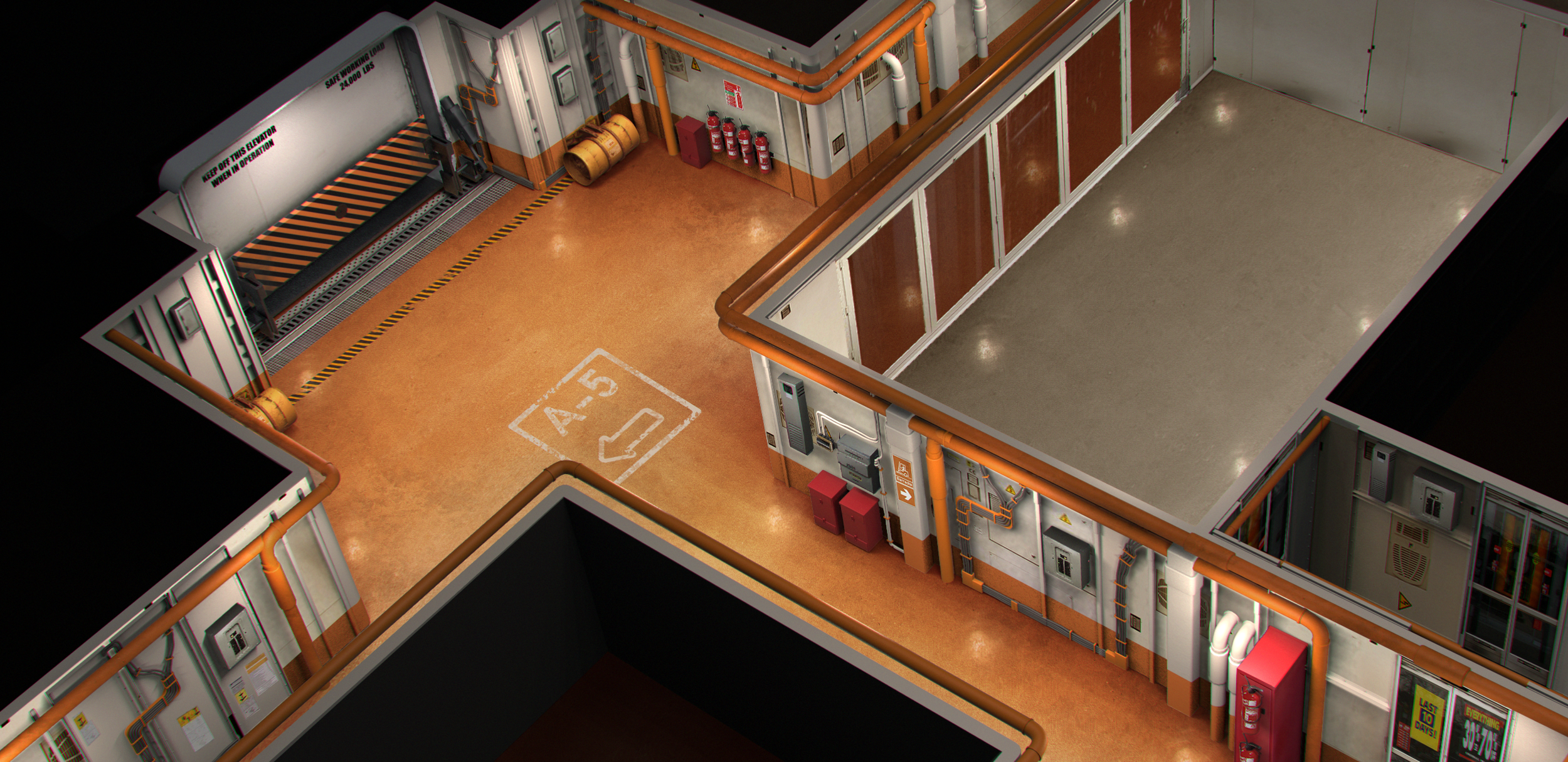
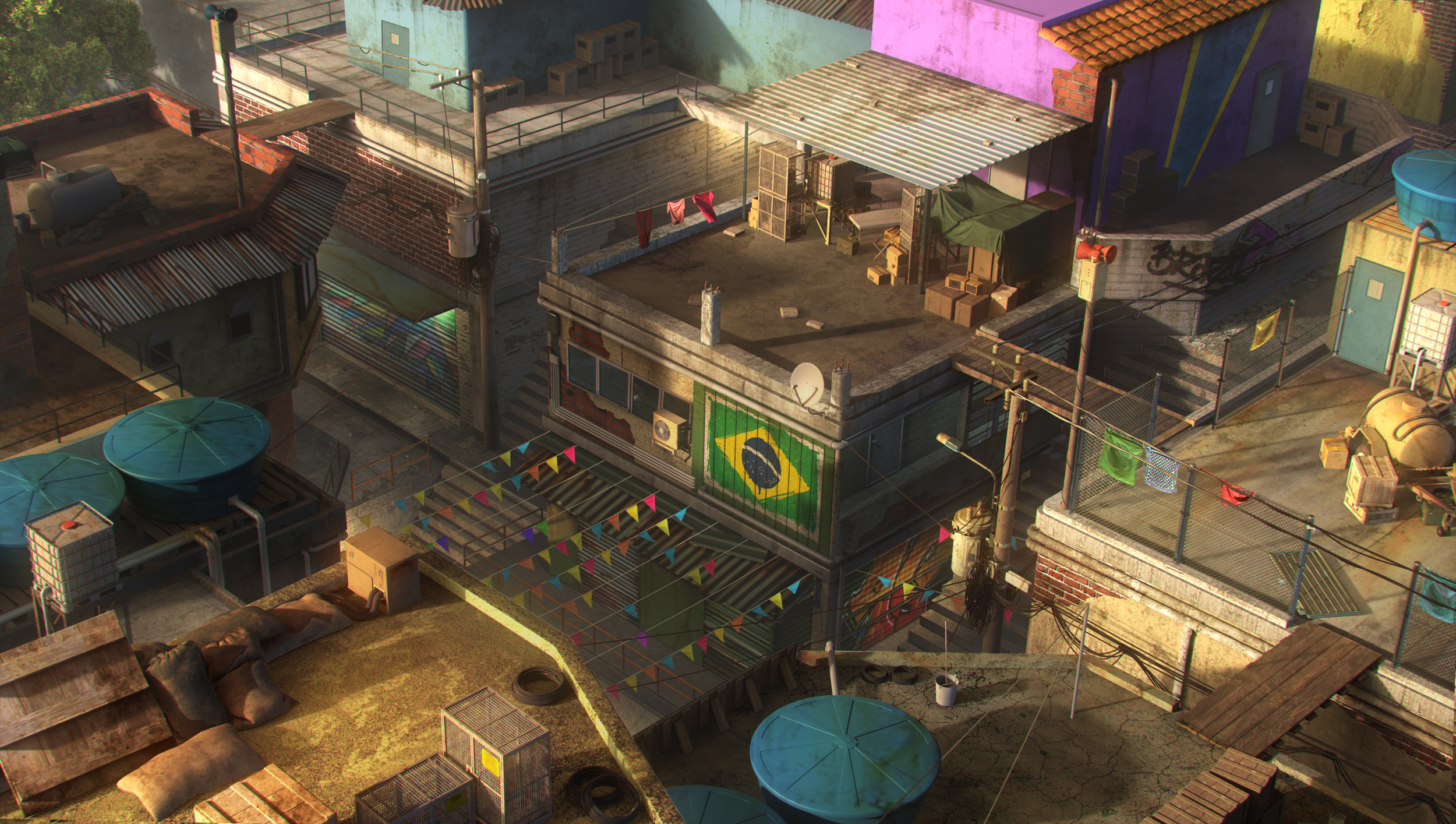
The Realistic visual style prioritizes clarity and immersion, helping players to instantly interpret situations under pressure.
Aurora 7 Art and Visual Style
The visual identity of Aurora 7 was designed with a single purpose: clarity under pressure.
From the outset, our goal was not to create a visually overwhelming experience, but rather a clear and immersive one. Every on-screen element is designed to facilitate decision-making in high-stakes situations, where recognizing shapes, movement, and space in a split second can make all the difference.
We focused on a realistic and grounded aesthetic, where lighting, materials, and scale combine to create tension. Interiors are designed to convey a sense of containment and control, reinforcing the vulnerability that defines each mission.
At this stage, we developed our first playable mission, which served as the foundation for defining the game's visual language. Through it, we were able to test how environments, objects, and atmosphere combine to enhance both gameplay and narrative.
This progress also allowed us to create a closed beta version of Aurora 7, which we are currently sharing with potential investors. It represents a significant milestone, not only as a playable experience but also as proof of the game's direction and potential.
However, development hasn't been straightforward. As a studio, we decided to pause production for a while to secure our own resources and strengthen the project's foundation.
Today, Aurora 7 has resumed active development.
We are currently updating the project with more modern technologies and tools, while also expanding its content: creating new missions, improving the visual quality, and continuing to refine the experience to align with our original vision.
Gameplay and key mechanics
Every system in Aurora 7 is designed to support tactical gameplay, from environmental interaction to weapon behavior.
Gameplay & Key Mechanics
In Aurora 7, gameplay is not built around spectacle it’s built around precision, control, and consequence.
From early development, our focus has been clear: every mechanic must support tactical decision-making. This means systems that are not only realistic, but also responsive and readable under pressure.
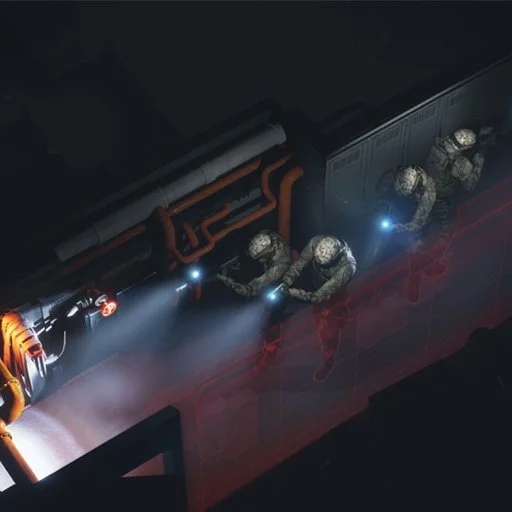
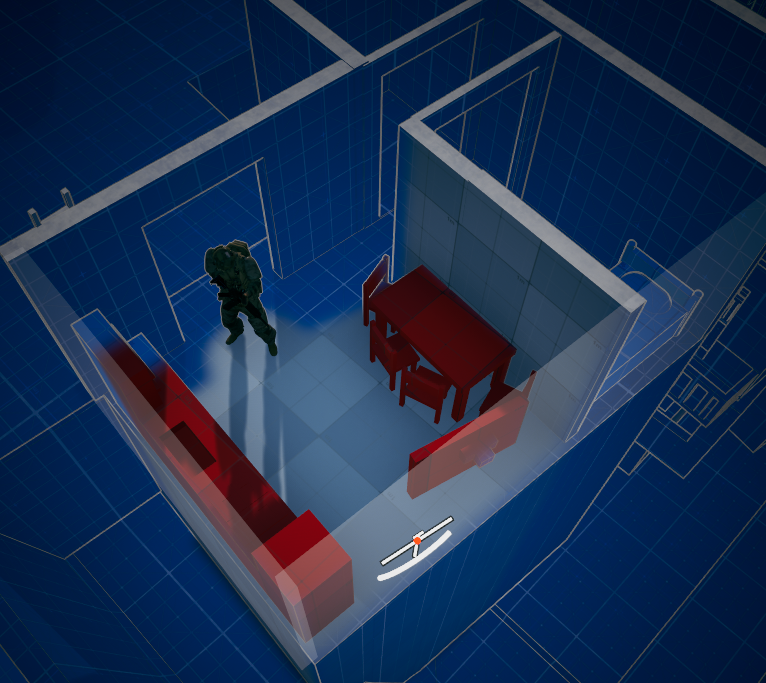
One of the core elements we’ve been working on is environment interaction. Walls are not just barriers they provide partial visibility through opacity systems, allowing players to read situations without fully exposing themselves. Information is never free, but it’s always there if you know how to look.
Destruction also plays a key role. Glass can be shattered to create new lines of sight or entry points, while doors are no longer static obstacles they can be breached, destroyed, or used strategically depending on the situation. Every entry is a decision.
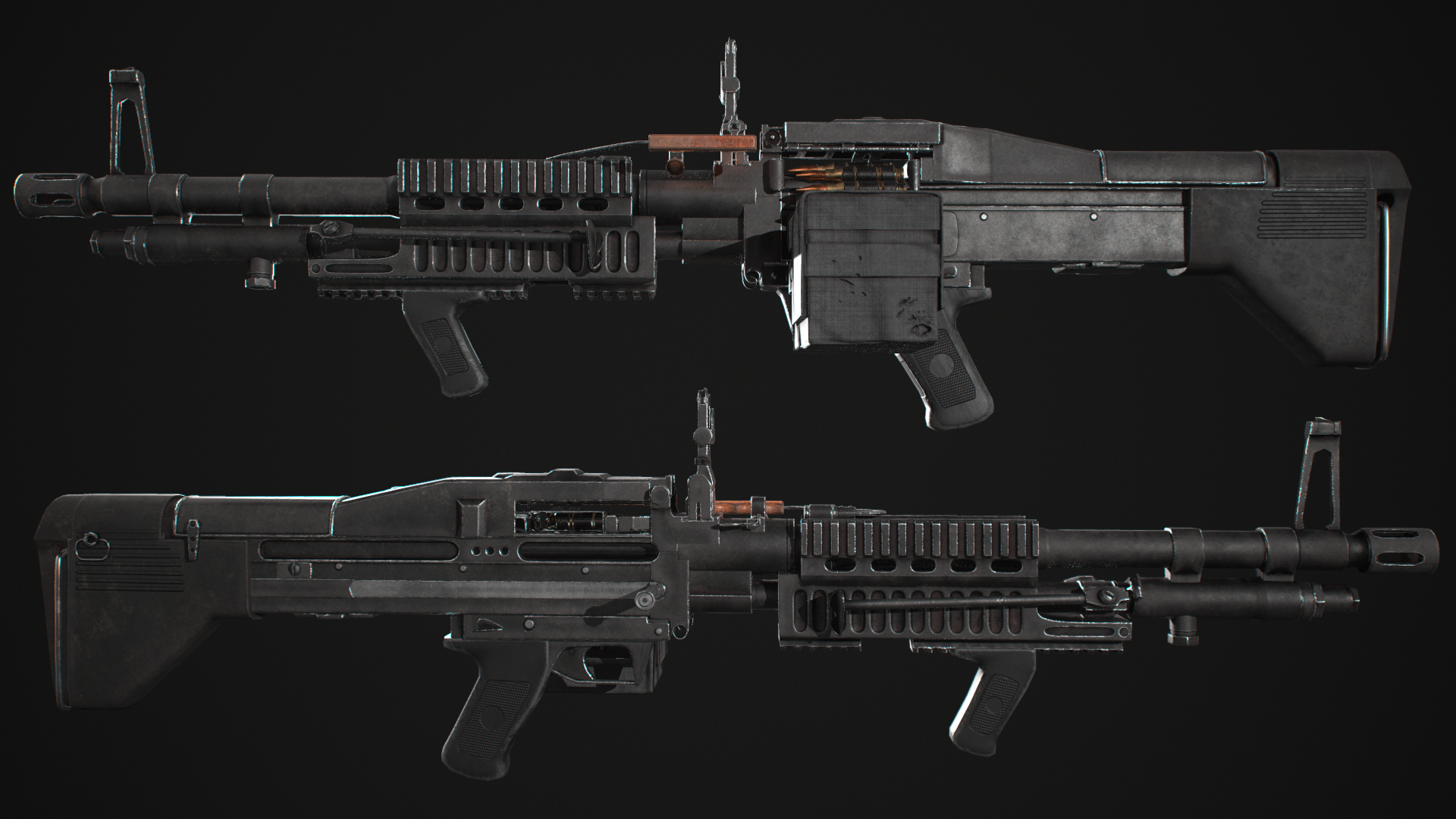
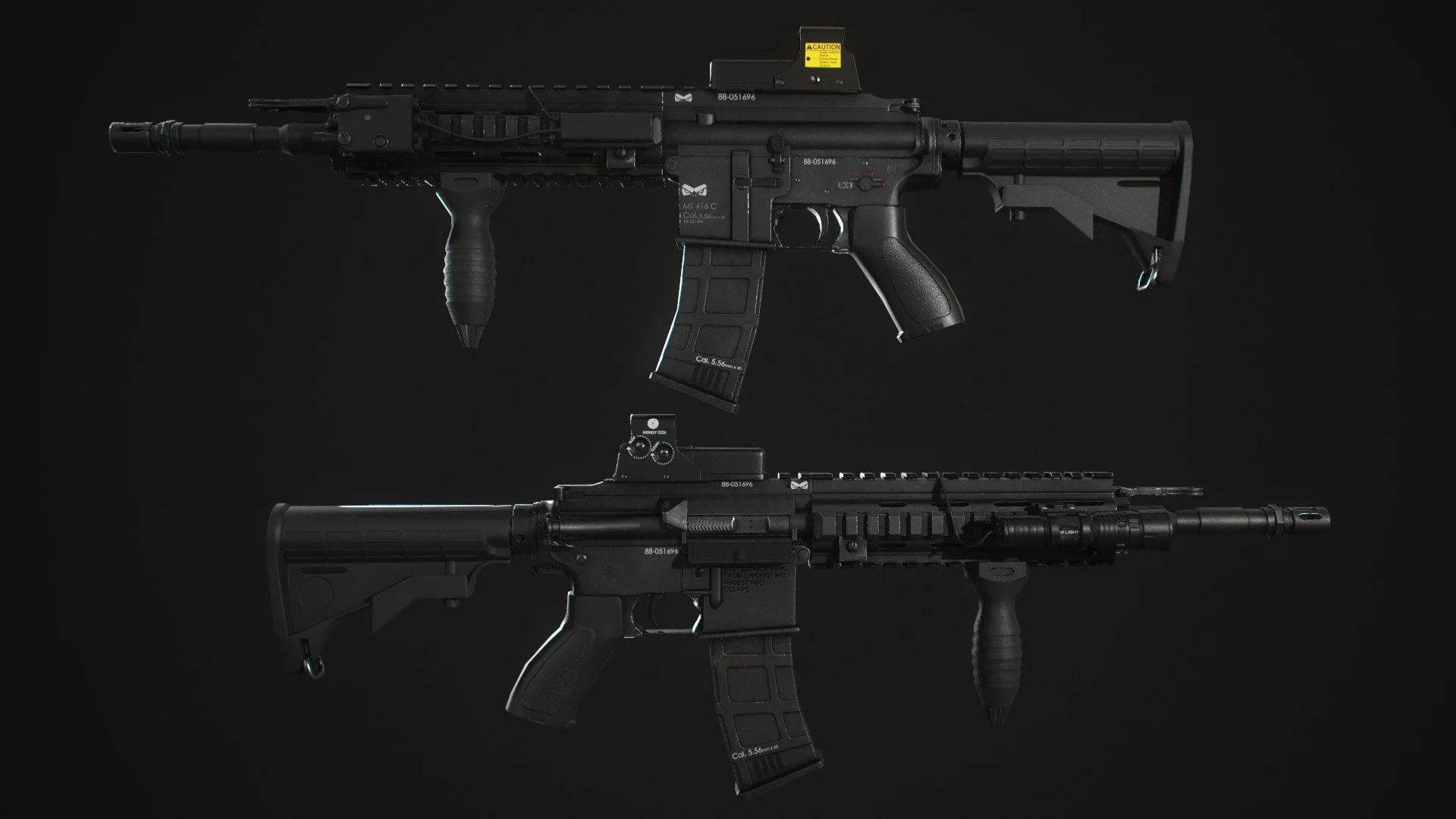
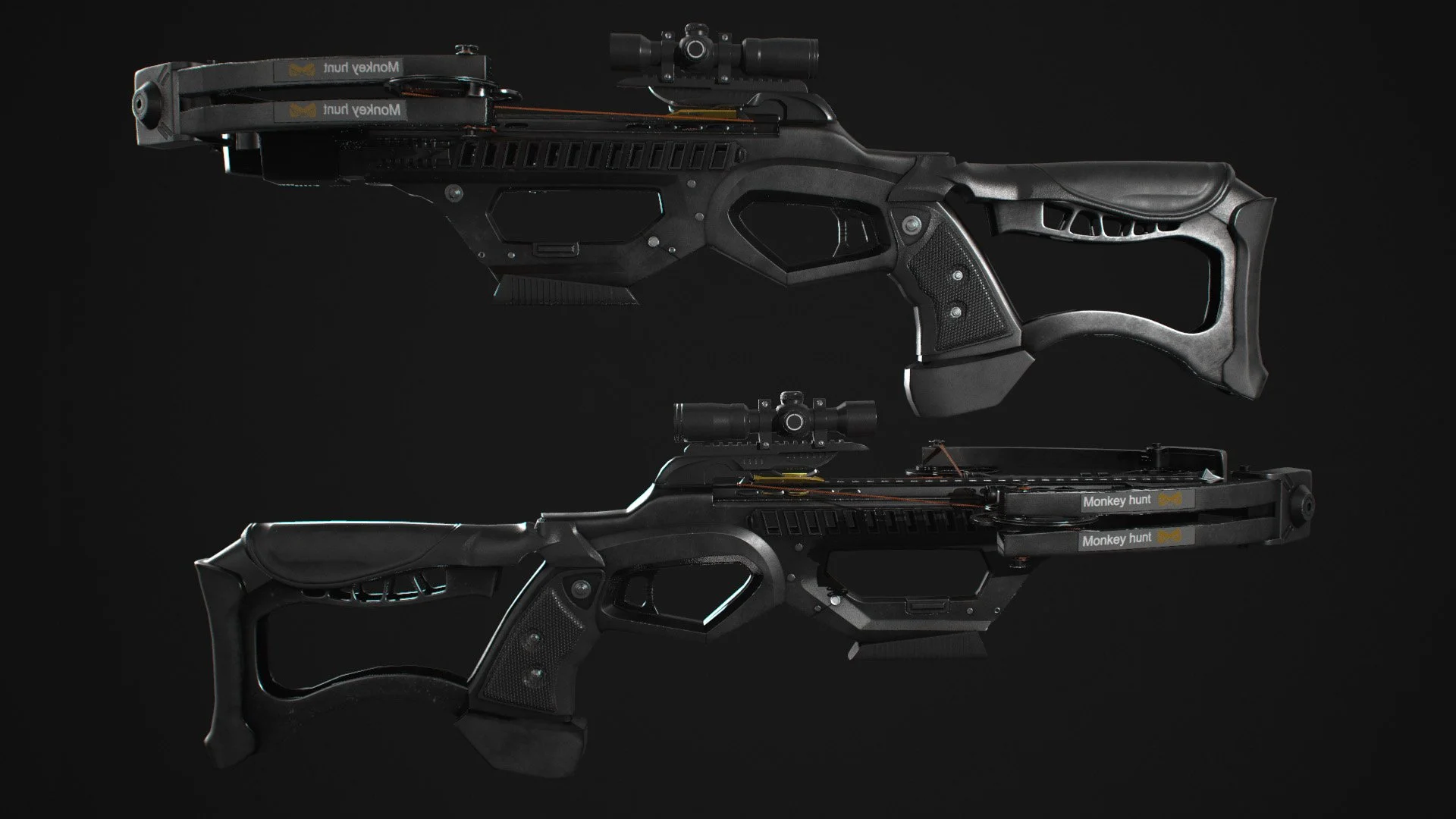
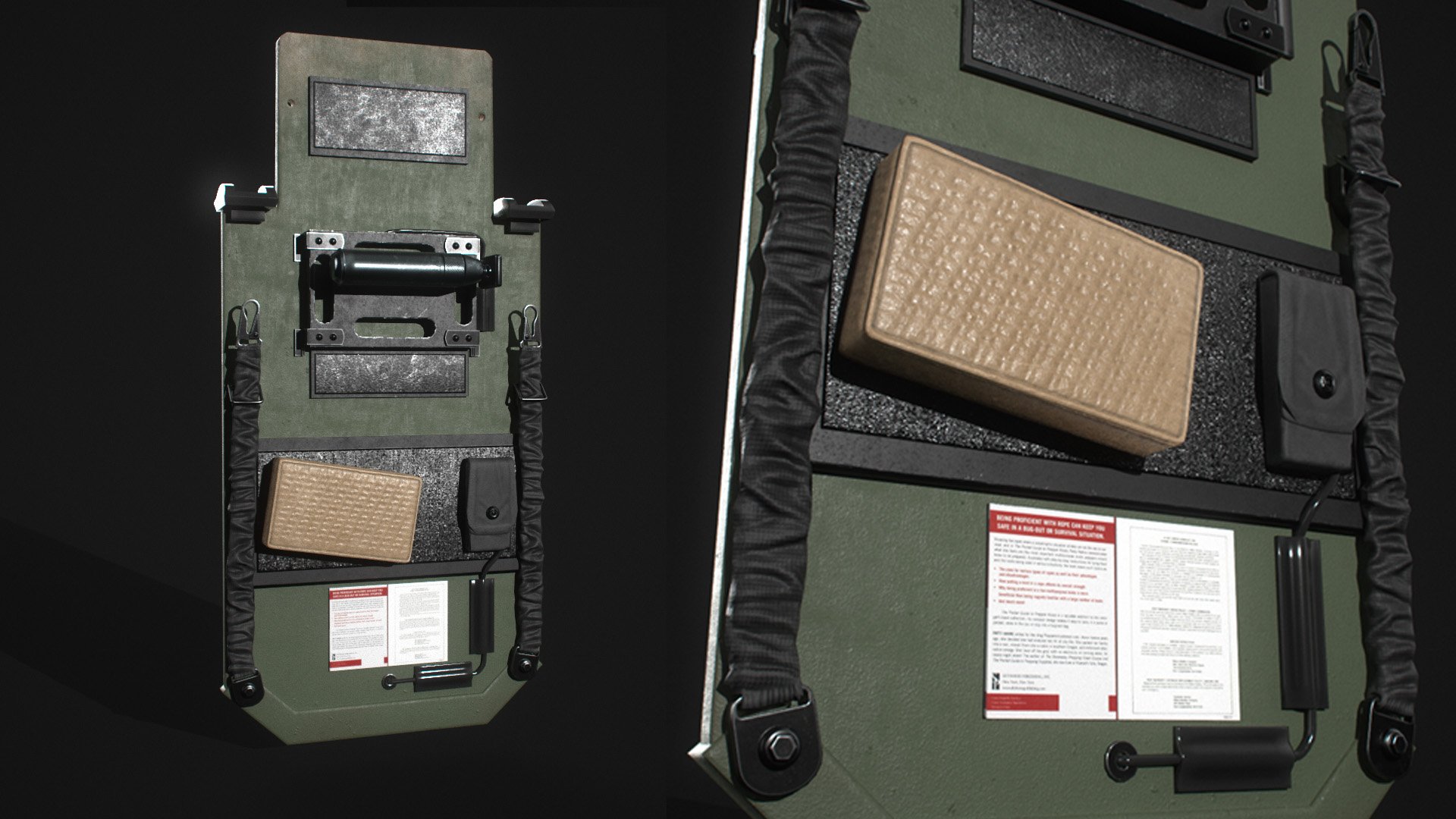
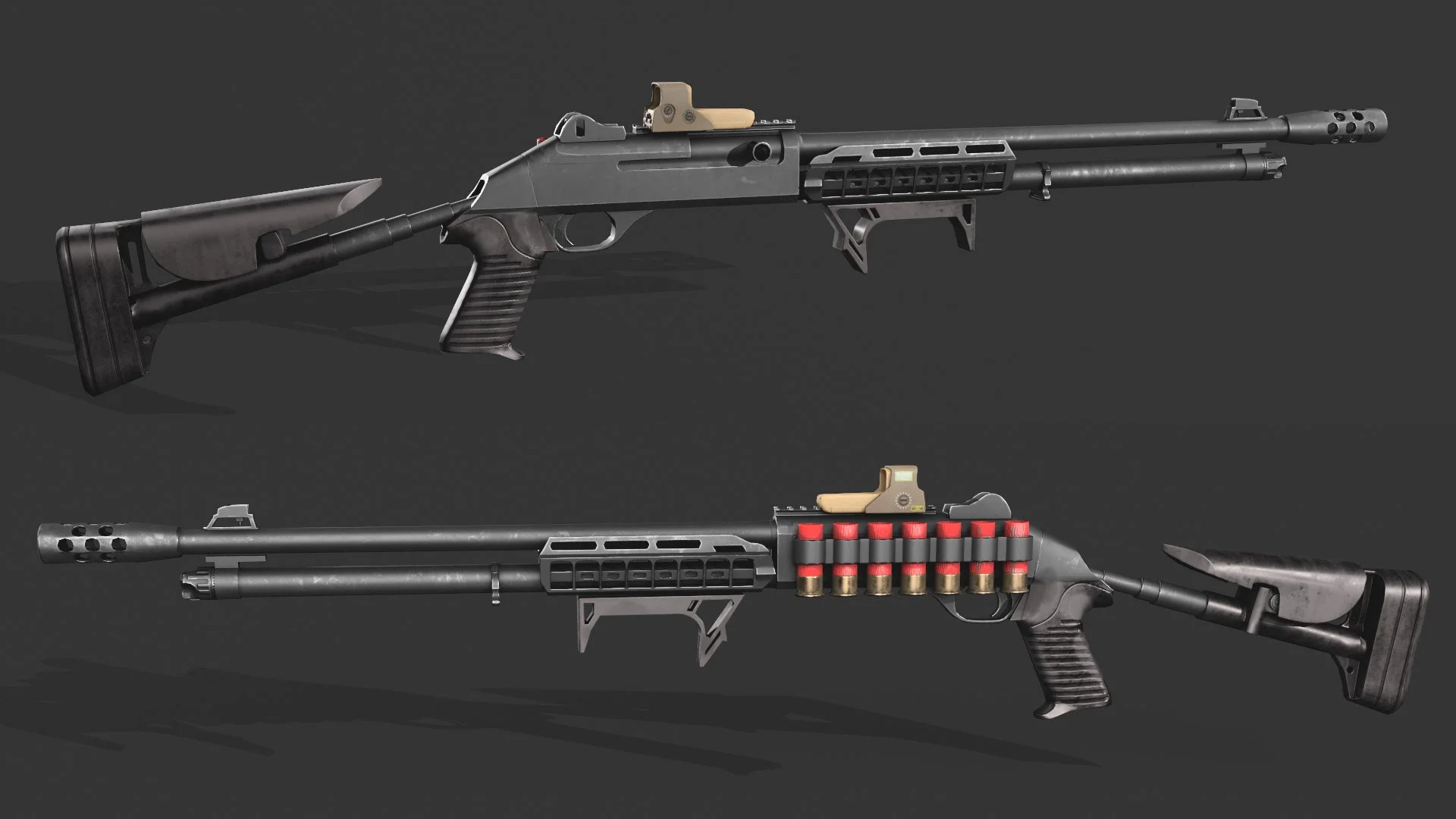
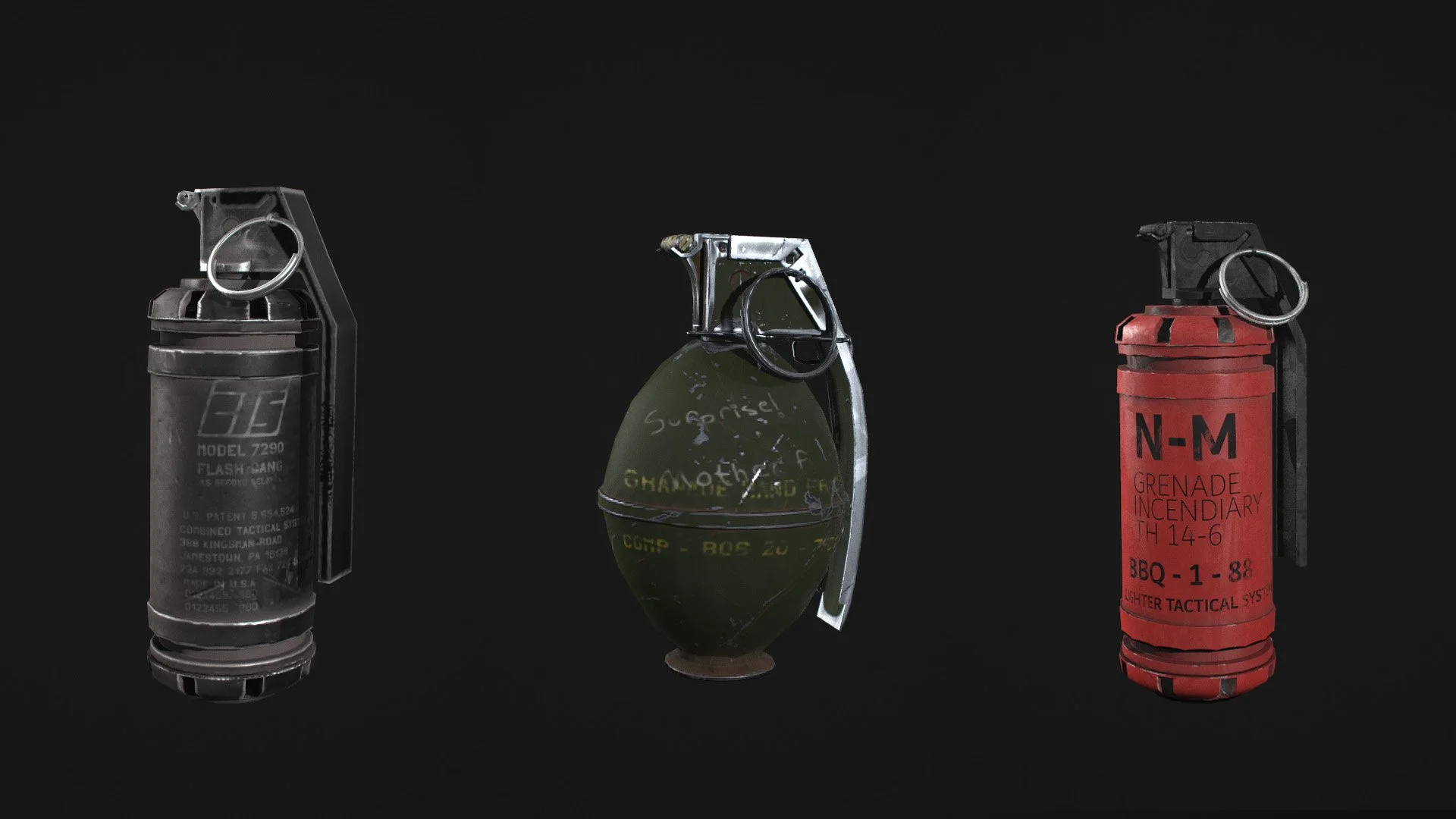
Weapons are designed with intention. This is not about variety for the sake of it, but about purpose. Each weapon, tool, and tactical option serves a role within a coordinated squad operation. From firearms to surveillance cameras and breaching tools, everything is built to support different approaches to the same mission.
Behind all of this is a constant iteration process. Prototyping, testing, breaking systems, and rebuilding them refining the feel of every interaction until it supports the tension Aurora 7 is built on.
Aurora 7 is still evolving, and these systems will continue to grow in depth and complexity as development moves forward.
In the next post, we’ll explore the visual identity of the game and how its style reinforces the gameplay experience.
The origin of the project of A7
Aurora 7 was born from the tension of high-stakes decision-making, where a single mistake can cost everything.
Aurora 7 was born from that tension. From that moment where there are no second chances, where a single decision can mean the difference between completing the mission… or losing your entire team.
From the very beginning, we wanted to move away from traditional shooters. We’re not just aiming for action; we’re aiming for responsibility. In Aurora 7, every move matters, every command has consequences, and every bullet counts. Literally.
As the commander of an elite special forces unit, your role isn’t just to shoot it’s to think, anticipate, and act under pressure. Here, mistakes aren’t corrected… they’re paid for.
This project began as an exploration of that kind of experience: something more raw, more tactical, and more realistic. A game where tension doesn’t come from the number of enemies, but from the weight of your decisions.
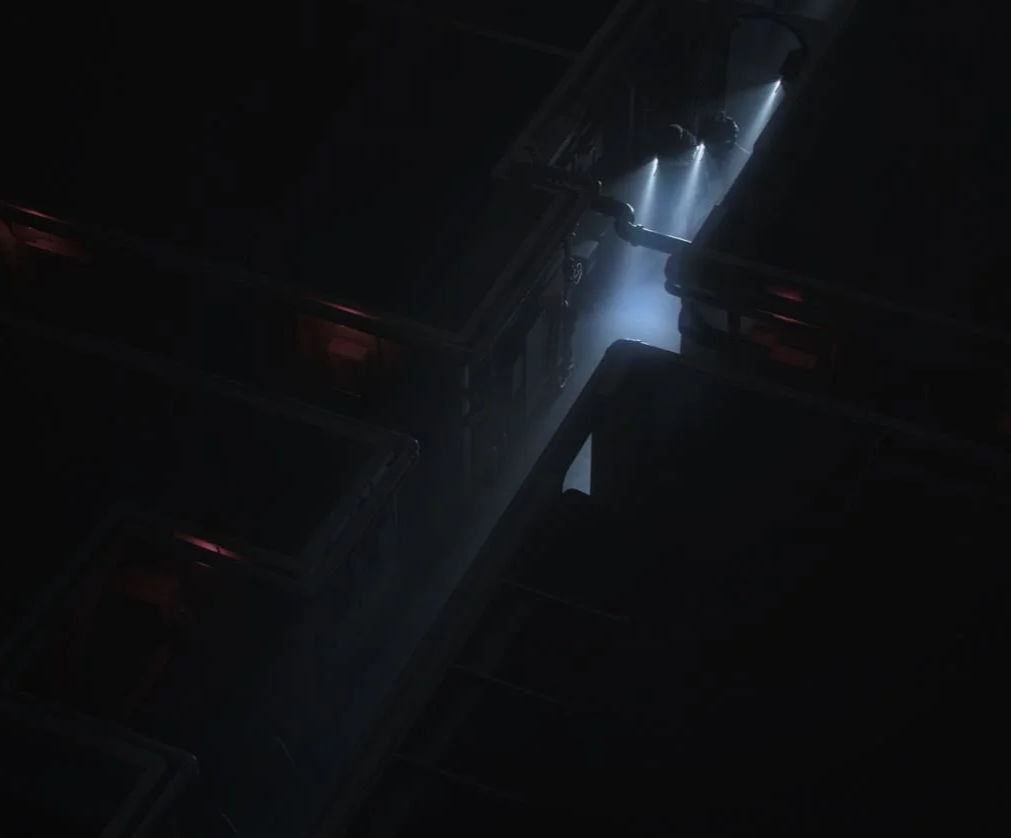
In this first look, we want to share some of the early concepts that have shaped the identity of the game. From the visual tone to the atmosphere, everything is designed to reinforce that constant sense of risk.
Aurora 7 is still in development, and this is just the beginning.
In the next post, we’ll dive deeper into the gameplay and mechanics that make each mission unique.